
The ECOEVONET project
Keywords : Ecosystems ; Evolution ; Network ; Ageing ; Resilience ; Ecology
This projects led by Eric Bapteste (AIRE team) and Fabrice Not (AD2M, SU) aims at tracking the evolution and ageing of ‘evosystems’ through network-modelling of the dynamics of ecosystems shaped by selection on differential persistence.
With environmental changes, better modelling and predicting natural ecosystems dynamics is critical from an ecological and a societal viewpoint. Ecosystems are defined as interconnected, diverse biological communities embedded in an abiotic compartment, connected to other ecosystems by spatial flows of energy, materials and information. Ecosystems are traditionally studied by ecologists, who seek causal relationships between environmental conditions and ecosystemic properties, e.g. between ecosystem stability and species richness. By contrast, our project introduces an original network-based approach to import evolutionary-thinking into ecosystem studies, with potential to make new paradigms about ecosystem dynamics emerge. Our project will i) develop an unifying concept : ‘evosystems’, i.e. ‘ecosystems phenotypes’ that behave as if they evolved by selection on persistence, and could further evolve due to evolutionary constraints, ii) take advantage of recent progresses in environmental -omics approaches and of multilayer network studies to provide evidence for natural ecosystems evolution, and iii) implement original metrics to assess ecosystem fitness. Using a rich selection of datasets from several ecosystems, our project will analyze whether and which of these well-monitored ecosystems behave as if they comprise some evosystems that become maladapted (when selective pressures acting at the level of ecosystem change), and which of these ecosystems age, comprise some evosystems that become more vulnerable with time. Overall, our interdisciplinary project will deeply integrate ecological, evolutionary and philosophical perspectives, and provide original tools to track natural ecosystem fitness, enhancing the toolbox of ecosystem monitoring.
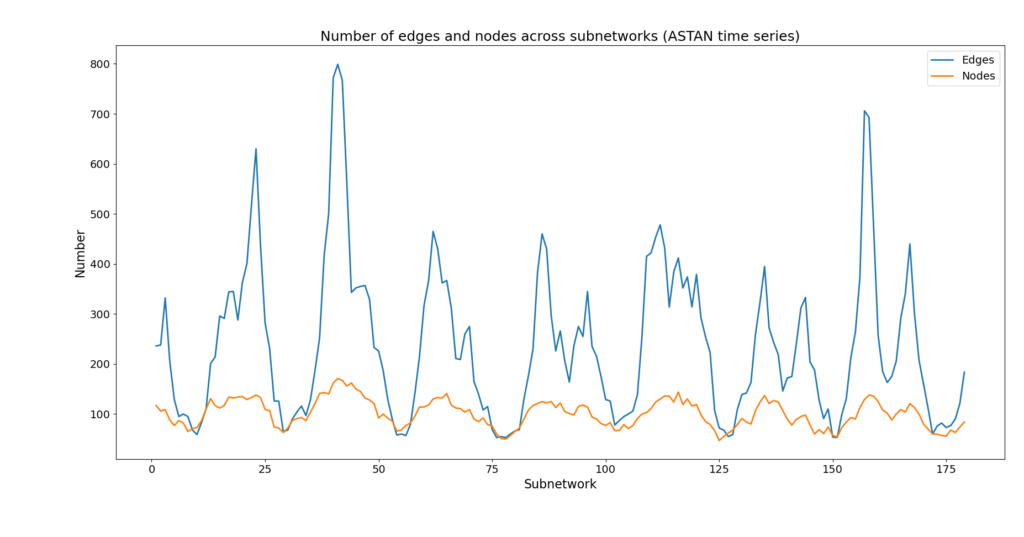
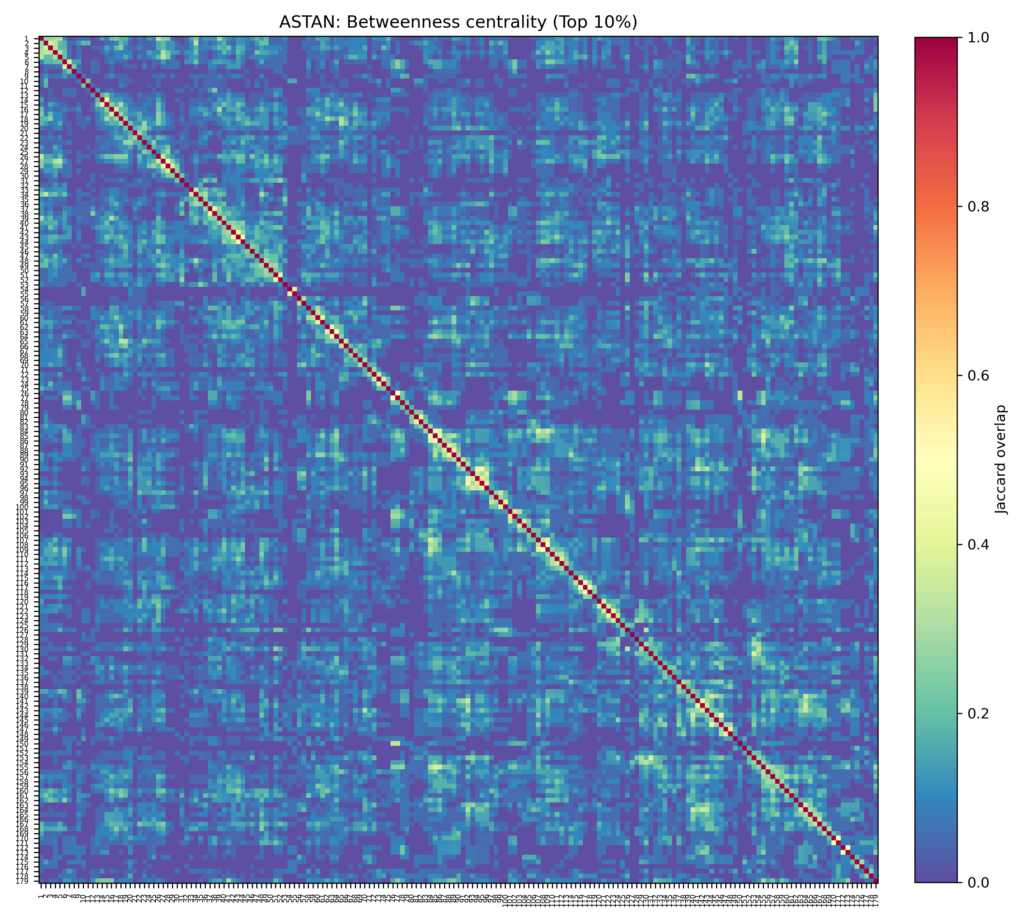
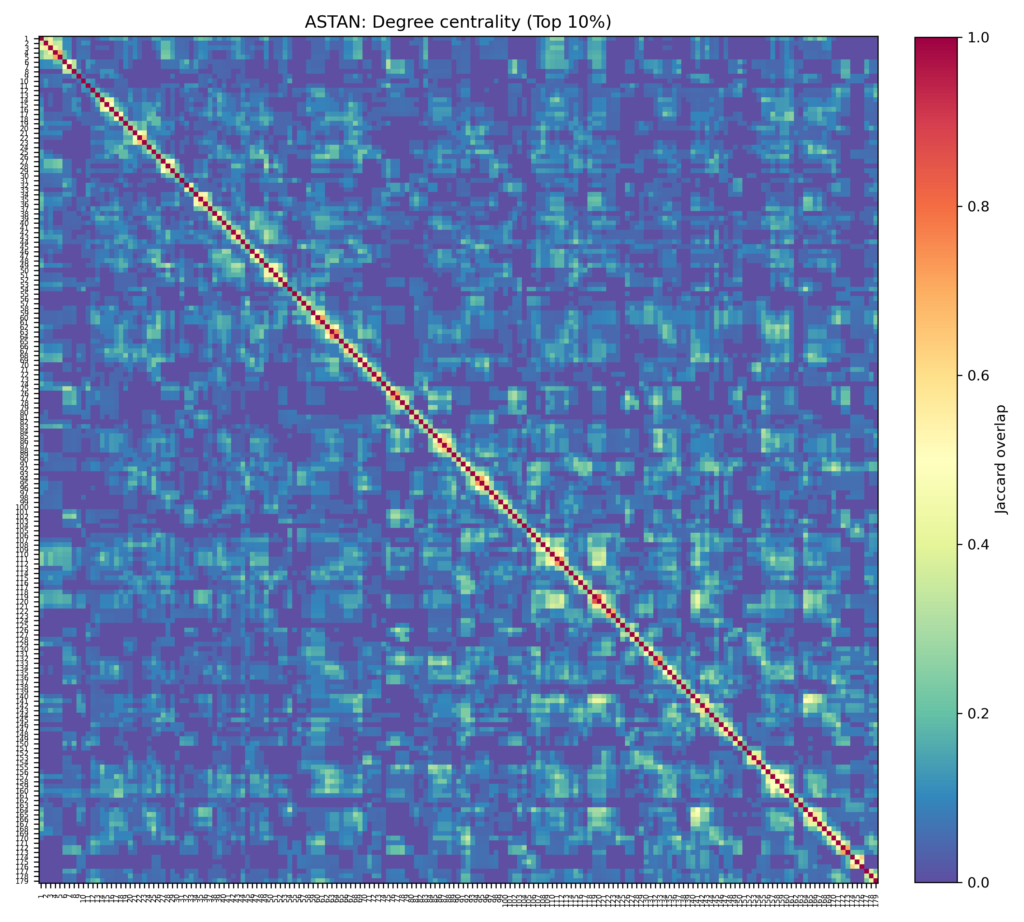
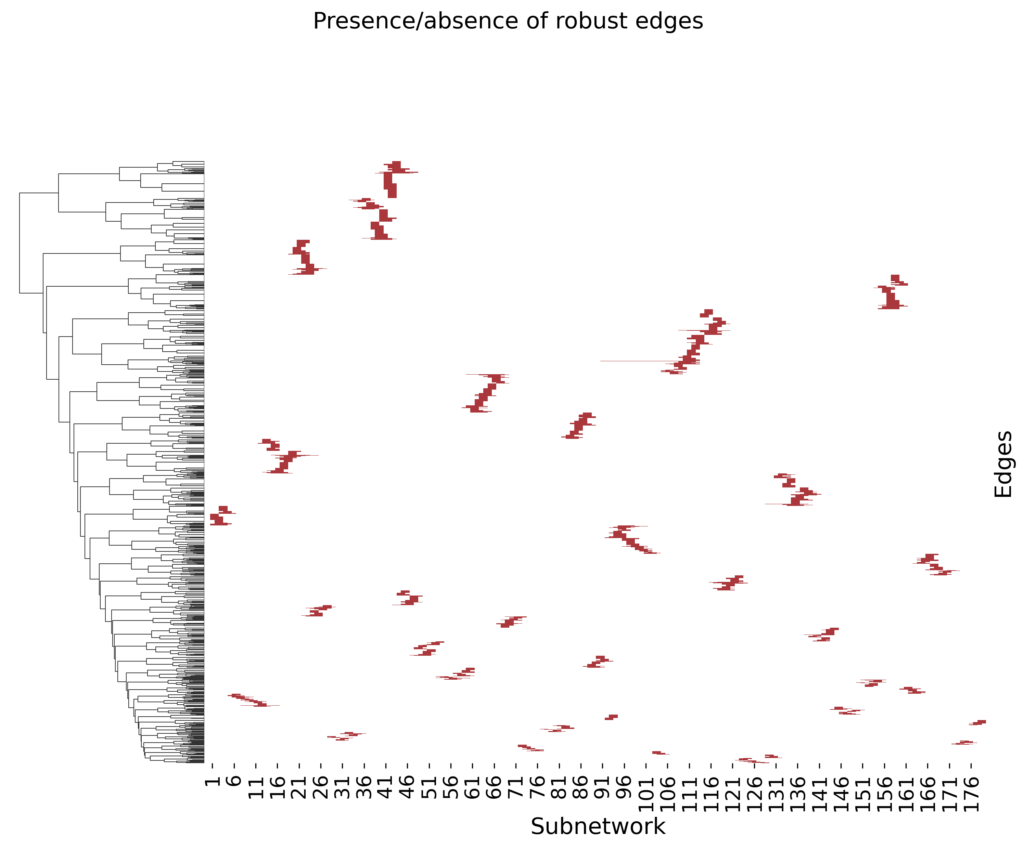
At this stage, Rafael Ponce-Toledo, hired on this project, complemented by funds from FUTUROBS, developed a pipeline that combines metabarcode analyses with co-occurrence network analysis by identifying statistically significant correlations among amplicon sequence variants (ASVs) or operational taxonomic units (OTUs) based on relative abundance patterns. While such correlations do not necessarily imply direct biological interactions, the resulting co-occurrence networks proved valuable for generating hypotheses about community organization, interaction structure, and their variation across time and space. Analyses of time series from 11 marine (coastal) environments, 5 human gut microbiomes, 2 wastewater treatment plants, and 1 Arctic time series are now completed, and future papers presenting our results (Fig. 1-4) and method are therefore pending.
Associated publication and talks :
Papale F, Not F, Bapteste E, Haraoui LP: The evosystem: A centerpiece for evolutionary studies. Bioessays. 2024:e2300169.
« Tracking the evolution of microbial networks », AquaEcOmics, March 2025
« Tracking the dynamics and evolution of microbial networks », Roscoff, May 2025
« Tracking the dynamics and evolution of microbial networks », Colloquium Microbiomes, December 2025